Quality Control
Our Commitment to Face Mask Quality
At FaceMaskFactory.com, quality is an essential consideration throughout the facial mask manufacturing process. We understand that skincare brands, importers, distributors, wholesalers, and retailers depend on consistent product specifications, suitable packaging, reliable production arrangements, and clear quality requirements to serve their customers.
In the skincare industry, product quality involves more than appearance. It may include raw material suitability, formulation requirements, material performance, manufacturing conditions, packaging integrity, labeling accuracy, product consistency, and compliance with applicable regulations. Each factor can influence the suitability of a facial mask for its intended market and application.
Our approach to quality focuses on establishing clear requirements, communicating expectations before production, and applying appropriate checks throughout the manufacturing process according to the product and agreed order specifications.
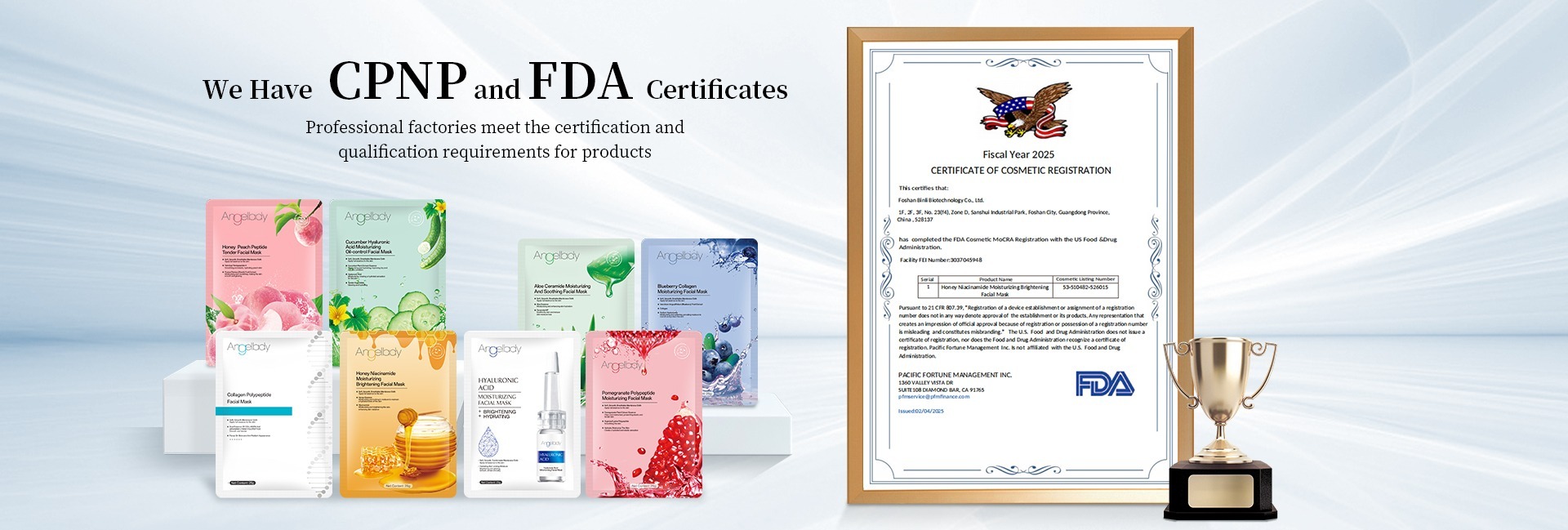
Whether a customer is purchasing standard facial masks or developing OEM and private label products, we believe that quality requirements should be discussed early and documented clearly. This creates a common understanding between the buyer and manufacturing partner and provides a practical foundation for managing production expectations.
At FaceMaskFactory.com, our objective is to help business customers establish clear quality requirements for their facial mask projects and support an organized manufacturing process from product specification to final shipment.

1. Quality Starts with Clear Product Specifications
A consistent manufacturing process begins with an accurate understanding of the product being produced.
Different facial mask products can have different requirements depending on their materials, formulation, intended application, packaging format, and target market. Without clearly defined specifications, it can be difficult to determine whether a finished product meets the customer's expectations.
Before production begins, important details should be reviewed and confirmed.
These details may include:
Facial mask type and product format
Mask material and dimensions
Formulation specifications, where applicable
Product appearance, color, and texture
Packaging materials and configuration
Labeling information and artwork
Order quantity and production requirements
Applicable inspection and acceptance criteria
For customized products, additional information may be needed to define the scope of the project. Customers may provide reference samples, technical documents, approved artwork, or detailed product requirements to help communicate their expectations.
We encourage customers to review all important specifications before confirming an order. Changes made after production has started may affect materials, costs, lead times, or manufacturing arrangements.
By establishing clear product requirements at the beginning, buyers and manufacturing partners can reduce avoidable misunderstandings and work toward more consistent order outcomes.
2. Raw Material and Ingredient Considerations
Raw materials are important components of facial mask quality. Depending on the product format, these may include mask substrates, cosmetic formulations, packaging materials, and other components used during manufacturing.
The selection of appropriate materials depends on the intended product, technical specifications, compatibility requirements, and applicable regulations.
For sheet masks, the substrate may influence fit, flexibility, absorption characteristics, and the overall application experience. Hydrogel and other specialty mask formats may require different material considerations. Packaging materials must also be suitable for the intended product and storage conditions.
For cosmetic formulations, ingredient suitability must be evaluated according to the product's intended use, formulation specifications, and destination-market requirements.
Where applicable and available, buyers may request relevant material specifications, ingredient information, supplier documentation, or other supporting records. The specific documentation depends on the product and the agreed manufacturing arrangement.
We recommend that customers communicate any special material or ingredient requirements before confirming production. This is particularly important for products developed for markets with specific ingredient restrictions, labeling rules, or documentation expectations.
Material suitability should be assessed using relevant technical information rather than assumptions based solely on appearance or marketing descriptions.
3. Formulation and Product Consistency
For facial masks containing cosmetic formulations, consistency is an important consideration for repeat orders and brand development.
Variations in formulation, manufacturing conditions, filling quantities, or storage conditions may influence product characteristics. Appropriate specifications and production controls can help reduce unwanted variation.
Depending on the product, relevant characteristics may include:
Formulation identity and approved specifications
Appearance and color
Odor and texture, where relevant
Filling quantity or net content
pH or other applicable physical and chemical parameters
Microbiological quality requirements
Packaging compatibility
Stability and shelf-life requirements
Not every characteristic applies to every facial mask. The appropriate checks should be determined according to the formulation, product classification, applicable standards, and customer requirements.
For OEM and private label projects, customers should confirm the approved product specifications before mass production. Where samples are used for approval, the agreed reference and acceptance criteria should be clearly identified.
Repeat orders should follow the confirmed specifications unless a change has been reviewed and approved by the relevant parties.
We recognize that consistent products are important to businesses that rely on customer trust, repeat purchases, and stable brand positioning. Clear specifications provide a useful basis for evaluating consistency across production batches.
4. Manufacturing Process Control
A well-organized manufacturing process supports product consistency and helps identify potential issues before finished products are released.
The specific manufacturing steps vary by facial mask type, production equipment, formulation, packaging configuration, and order requirements.
Depending on the product, manufacturing activities may include material preparation, formulation preparation, mask substrate processing, product filling, sealing, packaging, coding, and finished-product handling.
Each applicable step should follow the relevant manufacturing procedures and product specifications.
Process control may involve verifying production instructions, confirming material identity, monitoring applicable operating parameters, checking filling or packaging conditions, and documenting relevant production information.
The purpose of these activities is to reduce the risk of errors and support repeatable production outcomes.
For customers with customized requirements, it is particularly important to ensure that the approved specifications are communicated accurately to the production team and reflected in the manufacturing documentation.
Changes to materials, product specifications, packaging artwork, or production arrangements should be reviewed before implementation. This helps ensure that any changes are properly understood and evaluated.
Our quality approach emphasizes the importance of clear production requirements and appropriate process checks for each individual product.
5. In-Process Quality Inspection
Quality checks during production can help identify issues before they affect a larger quantity of finished products.
The appropriate inspection points depend on the product and manufacturing process. For example, a facial mask filling operation may require different checks from a dry specialty mask or a product with customized retail packaging.
Depending on the agreed requirements, in-process checks may include:
Material verification: Confirming that the materials used correspond to the approved product requirements.
Appearance checks: Reviewing relevant product characteristics for visible defects or inconsistencies.
Filling and quantity checks: Verifying filling quantities or other applicable measurements against established specifications.
Packaging checks: Examining sealing conditions, package appearance, and other relevant packaging characteristics.
Labeling verification: Checking product names, printed information, artwork versions, and other agreed details.
Production record review: Confirming that relevant manufacturing information is documented as required.
Inspection frequency, sampling methods, and acceptance limits should be established according to the product, order requirements, and applicable quality procedures.
When a discrepancy is identified, it should be evaluated before the affected products proceed further through the process. The appropriate response may involve investigation, correction, segregation, reinspection, or other actions according to the established procedure.
In-process inspection is most useful when it is based on defined requirements rather than subjective judgment alone.
6. Finished Product Quality Inspection
Finished-product inspection provides an opportunity to assess whether completed products meet the agreed specifications before shipment.
The inspection scope should be determined before production whenever possible. This helps customers understand what will be checked and how acceptance will be evaluated.
Depending on the product, finished-product inspection may cover the following areas.
Product Appearance
Visual checks may identify obvious defects, unexpected discoloration, contamination, damaged mask materials, or other conditions relevant to the product specification.
Appearance checks should use agreed acceptance criteria wherever practical.
Quantity and Packaging
The inspection may verify quantities, package configurations, carton markings, and other details specified in the order.
For individually packaged facial masks, relevant checks may include package appearance, seal condition, print quality, and visible damage.
Labeling and Printed Information
Labeling should be checked against the approved artwork and confirmed requirements. Depending on the destination market, relevant information may include product identity, ingredient declarations, directions for use, warnings, batch identification, and other required details.
Regulatory labeling requirements vary by jurisdiction and product classification. Customers should confirm the applicable requirements for their intended market.
Product-Specific Requirements
Additional checks may be necessary for particular materials, formulations, packaging formats, or customer specifications.
The inspection process should distinguish between visual checks and tests that require appropriate instruments, laboratory facilities, or qualified external testing providers.
Finished-product inspection does not replace the need for suitable product development, manufacturing controls, or regulatory compliance. Instead, it forms one part of a broader quality management approach.
7. Packaging Integrity and Product Protection
Packaging plays an important role in protecting facial masks during storage, handling, and transportation.
Depending on the product, packaging may need to help maintain product integrity, limit unwanted exposure, preserve the intended presentation, and support applicable storage requirements.
For products containing cosmetic formulations, packaging compatibility is an important consideration. The packaging materials and closure system should be suitable for the formulation and intended conditions of use.
Potential areas for evaluation include:
Packaging material suitability
Seal integrity and visible package defects
Leakage or damage, where relevant
Printed information and artwork accuracy
Packaging dimensions and configuration
Carton condition and shipping protection
Batch coding and traceability information, where applicable
The appropriate tests depend on the packaging design and product requirements. Some evaluations may require specialized testing rather than a simple visual inspection.
For customized packaging, customers should approve the relevant artwork and specifications before mass production. This is especially important when a product is being prepared for a particular retail channel or destination market.
Packaging requirements should also be considered during transportation planning. Suitable outer packaging and handling arrangements can help reduce the risk of damage during shipping.
8. Product Safety and Regulatory Compliance
Product safety is a critical consideration for facial masks sold in international markets.
Cosmetic regulations and product requirements differ across countries and regions. Depending on the destination and product classification, businesses may need to address ingredient restrictions, product safety assessments, labeling, product notifications or registrations, responsible-person obligations, and supporting documentation.
The exact requirements depend on the product and market. A product that can be marketed in one jurisdiction may require additional assessment or documentation before being sold elsewhere.
For this reason, customers should identify their intended sales markets early in the project and communicate any specific regulatory requirements.
Depending on the product and applicable arrangements, relevant documentation may include ingredient information, product specifications, safety-related records, testing reports, manufacturing records, or other supporting documents.
Availability and applicability must be confirmed for each product. Documentation should not be assumed to exist merely because a product is described as OEM, private label, or factory-made.
Customers are responsible for confirming the requirements applicable to their intended markets and determining their own legal obligations as brand owners, importers, distributors, or other responsible parties. Manufacturing partners should clarify the scope of the documentation and support they can provide.
FaceMaskFactory.com encourages customers to address compliance requirements before commercial production rather than treating them as a final shipping-stage consideration.
9. Testing and Supporting Documentation
Testing can provide additional information about product characteristics and suitability. However, the type of testing required depends on the product, formulation, intended use, destination market, and customer requirements.
Potential testing or evaluation areas may include physical and chemical characteristics, microbiological quality, packaging compatibility, stability, and other product-specific parameters.
Not every product requires the same tests, and a test report should be relevant to the actual product being evaluated.
When discussing a manufacturing project, customers should specify any testing requirements, required standards, preferred laboratories, or documentation needed for their business or destination market.
The parties should clarify:
Which tests are required
Which product or batch will be tested
Who is responsible for arranging the tests
Which laboratory or testing method will be used
What documentation will be supplied
How the results will be evaluated
Where testing is necessary, it should be arranged through suitable facilities and qualified providers according to the agreed scope.
We recommend confirming documentation requirements during the quotation and order-confirmation stages. This can help avoid delays and clarify responsibilities before production begins.
Any statements about certifications, laboratory results, or compliance should be supported by valid, applicable documentation. Customers should verify the scope, validity, and relevance of such records before relying on them for commercial or regulatory purposes.
10. Batch Identification and Traceability
Traceability can help businesses investigate product questions, manage quality concerns, and coordinate communication across the supply chain.
Depending on the product and manufacturing arrangement, relevant records may include product specifications, material information, production dates, batch identification, inspection results, packaging details, and shipment information.
The availability and level of detail of these records depend on the established manufacturing procedures and applicable requirements.
For customers operating established skincare brands or distribution networks, batch identification can be particularly important when coordinating repeat orders, reviewing customer feedback, or investigating a reported issue.
We encourage customers to discuss traceability expectations before placing an order, especially when their internal quality systems require specific records or documentation.
Clear identification and recordkeeping can support more efficient communication when questions arise after delivery.
11. Managing Nonconformities and Customer Feedback
Even with appropriate planning and inspection, a customer may occasionally identify a product or packaging issue that requires investigation.
A structured response helps the relevant parties understand the concern and determine an appropriate course of action.
When reporting a suspected quality issue, customers should provide as much relevant information as possible, such as the order reference, product name, batch identification, quantity affected, photographs, and a description of the observed problem.
Where appropriate, additional information about storage conditions, transportation, packaging integrity, and the timing of discovery may help the investigation.
The issue should then be evaluated against the confirmed product specifications, agreed acceptance criteria, and available records.
Depending on the findings, possible actions may include additional inspection, further testing, clarification of the product requirements, corrective action, or other remedies agreed under the applicable commercial terms.
The appropriate response depends on the nature of the issue, the evidence available, the contract, and applicable legal requirements.
We believe clear communication and accurate documentation are essential when addressing quality concerns. Prompt reporting and relevant evidence can help the parties investigate more efficiently and reduce unnecessary delays.
Customer feedback can also provide useful information for reviewing product requirements and identifying opportunities to improve future orders.
12. Quality for OEM and Private Label Projects
OEM and private label projects often involve additional quality considerations because products may be developed according to customer-specific requirements.
These projects can include customized packaging, product specifications, brand artwork, formulation requirements, or other agreed variations.
Before production, the customer and manufacturing partner should confirm which specifications apply, which samples or documents serve as references, and how changes will be approved.
Important details may include:
Final product specifications
Approved samples, where applicable
Formulation and material requirements
Packaging artwork and labeling
Required inspections or testing
Documentation responsibilities
Acceptance criteria and commercial terms
A written confirmation of these details can help avoid discrepancies between the product requested and the product manufactured.
If a customer changes the formulation, packaging, artwork, or other important requirements after approval, the impact on costs, production schedules, testing, and compliance should be assessed before proceeding.
We understand that brand consistency is important to private label businesses. Clear approvals and documented specifications can help support more consistent production across repeat orders.
13. Continuous Improvement and Long-Term Cooperation
Quality management should be an ongoing process rather than a single inspection performed at the end of production.
Customer feedback, inspection findings, production records, and recurring questions can all provide useful information for reviewing manufacturing requirements.
Where an improvement opportunity is identified, the relevant parties can evaluate the issue and determine whether changes to specifications, procedures, packaging, or communication are appropriate.
Continuous improvement does not mean making unapproved changes to a product. Any change that affects confirmed requirements should be reviewed and authorized before implementation.
For repeat customers, maintaining clear records of approved specifications and agreed changes can make subsequent orders easier to coordinate.
We believe that long-term manufacturing relationships are strengthened when buyers and suppliers share accurate information, establish realistic expectations, and address issues constructively.
Our aim is to support this process through clear discussions about product requirements, quality expectations, and the manufacturing arrangements relevant to each order.
14. Work With Us on Your Quality Requirements
Every facial mask project has its own requirements. The appropriate quality checks for a standard sheet mask may differ from those for a customized hydrogel mask, a product with specialized packaging, or a facial mask developed for a particular regulatory market.
For this reason, we encourage customers to discuss quality expectations before confirming production.
When contacting FaceMaskFactory.com, please share your product type, target market, estimated order quantity, customization requirements, and any specific inspection, testing, or documentation needs.
If you have technical specifications, approved samples, packaging artwork, or an internal quality checklist, these materials can help clarify the project requirements.
We can then discuss the applicable manufacturing arrangements, identify the requirements that need confirmation, and establish the next steps according to the product and order scope.
Our objective is to help customers approach facial mask manufacturing with clear specifications, appropriate quality considerations, and an organized process.
FaceMaskFactory.com — Quality-Focused Manufacturing Solutions for OEM, Private Label, and Wholesale Face Masks.
Contact us to discuss your product specifications and quality requirements.
CATEGORIES
LATEST NEWS
CONTACT US
Whatsapp: +8615360824492
Phone: +8615360824492
Tel: +8615360824492
Email: [email protected]
Addr: No.104, building A, Fengshen Road, Huadu District, Guangzhou City, China
